技术路线
TECHNICAL INNOVATION
Micro-light power generation
The Bofang AI Intelligent 3.0 Tracking System Controller comes with AC/AC and DC/DC modules, which are connected to the DC side of the photovoltaic system to collect micro-light energy and are then integrated into the current photovoltaic power station energy storage system. At the same time, it can reverse the energy to the photovoltaic inverter to enable it to work in advance.

CFD Air-Operated stability analysis
By berthing at a suitable angle and oscillating within a secure envelope, the system's stability and reliability are enhanced;
Integrating aerodynamic stability assessment, structural analysis is conducted subsequent to obtaining the actual torque and load pressures on the spindle based on varying torsional angles.

RWDI wind tunnel testing
(Static Test),(Dynam ic Test) (Instability Test), (Aeroelastic Test) to obtain the static wind load pressure and torque coefficient of the tracker; analyze the dynamic wind load response of the tracker; select the aerodynamic profile of the tracker in high wind conditions.
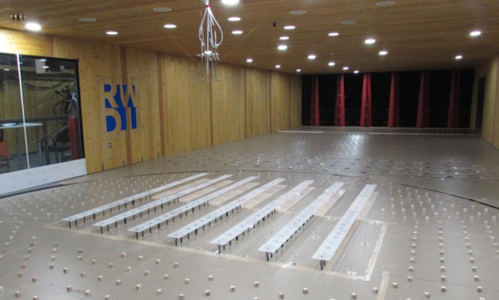
Conduct division of aircraft interior and exterior based on wind tunnel testing
The arrangement is divided into inner and outer perimeters according to the wind tunnel test results, and the strength distribution of the inner and outer perimeters is optimized to improve the wind resistance of the photovoltaic power station.
The inner and outer perimeters are designed to be subjected to wind forces through wind tunnel tests, and dampers are equipped according to the project's latitude and longitude and wind and snow pressure to increase the stability of the trembling and resonance caused by wind and wind stops.
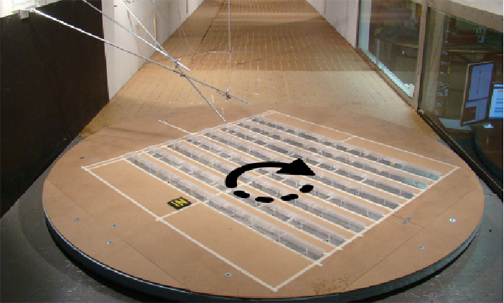
Advanced Al intelligent tracking algorithm
In comparison to conventional tracking algorithms, the intelligent reverse tracking algorithm demonstrates the capability to further decrease the cost per kilowatt-hour by approximately 0.11 cents and elevate generation by over 5%;
Bofang's cutting-edge bifacial modules, in conjunction with AI-powered tracking support systems, are capable of boosting the backside generation gain by 1-5%。

Advanced communication technology
Bofang recommends using low-power, long-range LoRa / ZigBee wireless transmission, which further saves the cost of site cables and engineering and makes on-site commissioning easier.

Al intelligent weather tracking algorithm
Bofang's Advanced Intelligent Weather Tracking Algorithm dynamically adapts to current weather conditions, effectively enhancing energy output during periods of low direct solar radiation, such as on cloudy or rainy days. Furthermore, it minimizes unnecessary mechanical operations of the tracking system, thereby promoting overall structural stability and efficiency.

Al intelligent anti-tracking algorithm
Bofang's Intelligent Inverse Tracking Algorithm is capable of self-adjustment based on the terrain, effectively mitigating obstructions resulting from terrain fluctuations during the early and late inverse tracking stages among adjacent rows
of tracking supports. This, in turn, optimizes the power output during these stages. The algorithm demonstrates the ability to integrate with actual terrain, adapt, and learn autonomously.

Al intelligent tracking double-sided algorithm
Bofang's dual-side algorithm has undergone more detailed optimization for the dual-side PV system, which can further unleash the system's generation potential.



 苏公网安备32041202003199号